
Thematic symposia are highlights of the scientific program.
Symposia accepted to date are as follows:
Room 1400 – Segal Centre Room From Ethics to Governance: Making AI Accountable in Aging and Care
- Accountability for AI in Age Tech: A Sociotechnical Ecosystem Response
- Making it Real: Inclusion of Age-Related Values in AI Technologies
- From Ethics to Governance: Making AI Accountable in Aging and Care
- Oversight of AI Across Care Contexts: A focus on Home Care
Room 1600 – Canfor Policy Room Exploring the Ethical Aspects of Technology for Older Adults and People Living with Dementia
- Ethical and Responsible Innovation in AgeTech: Insights from Reviews and Stakeholder Consultation
- What Constitutes Ethical Use of Innovative Technologies for Dementia Care?
- What Informs the Ethical Development and Use of Virtual Reality for Older Adults with Dementia in Hospitals? A Critical Evaluation of Ethical Frameworks
- Ethical considerations of using robots for older adults with dementia
Room 1600 – Canfor Policy Room From the Need to Responsible Adoption of Social Robots in Long-term Care
- Uncovering Latent Needs: An Ethnographic Exploration of Communicative Breakdowns in Human-Robot Interaction
- Beyond the Clinical File: Designing the “Emotional Passport” for Dignity-Conserving Dementia Care
- Context-aware Care: Making Social Robots Smarter by Integrations with Sensors and IoT
- Deception in Social Robots for People Living with Dementia
- Barriers and Facilitators to Social Robot Adoption in Long-term Care
Room 1400 – Segal Centre Room Scenario-Based Care Robot Development and User-Centred Innovation in Korea
- Scenario-Based Development of an Assistive Feeding Robot
- Non-contact Vital-Sign Monitoring and Early Risk Detection for Safety Management in Older Adults
- Scenario-Based Voice Interaction Development for Autonomous Mobility
- Implementation Insights from Smart Care Spaces: Focusing on the Bathing Care Environment
Room 1600 – Canfor Policy Room ISG Student Paper Contest 2026 – First Edition
- Applicability of Sensor Technologies to Enhance Accuracy of Comprehensive Geriatric Assessment System
- Understanding the usability of digital technologies in home-based neurorehabilitation: a realist review
- Systematic Review: The Role of Social Support Through Social Media in AI Technology Acceptance Among Older Adults
- Development of an Intelligent Gas-sensing Fecal Collection Bag for Bedridden and Incontinent People
- Implementing Multimodal Non-invasive Instrumental Clinical Assessment of Swallowing (MUNICAS): an Exploratory Study
- Automating Multisite-Muscle Segmentation in Ultrasound via Deep Learning through a Standardized Framework for Sarcopenia Assessment
Room 1400 – Segal Centre Room DemiCare+ project: Uniting disciplines in application development to increase resilience of informal carer
- Taking Care Together: Co-Design with Caregivers. Inspiration For Creative Co-Design Research Methods
- Micro-Interventions for Preventing Depression in Informal Caregivers of People with Dementia
- Online Services for Informal Caregivers of People with Dementia
- Diverse Realities and Needs: Understanding Resilience in Informal Caregivers of People with Dementia
Room 1600 – Canfor Policy Room Interventions to Enhance Digital Literacy and Telehealth for Older Adults
- Tele Tai Chi: Case Studies in Deploying a Virtual Wellness Program in Community Based Settings
- Digital Literacy and Aging Adults: The Benefits of User Centered Design and Instructional Support
- Community-based Digital Literacy Programme and BruHealth 5.0 Application in Brunei Darussalam
- Three Community Models for Enhancing Older Adult Digital Literacy
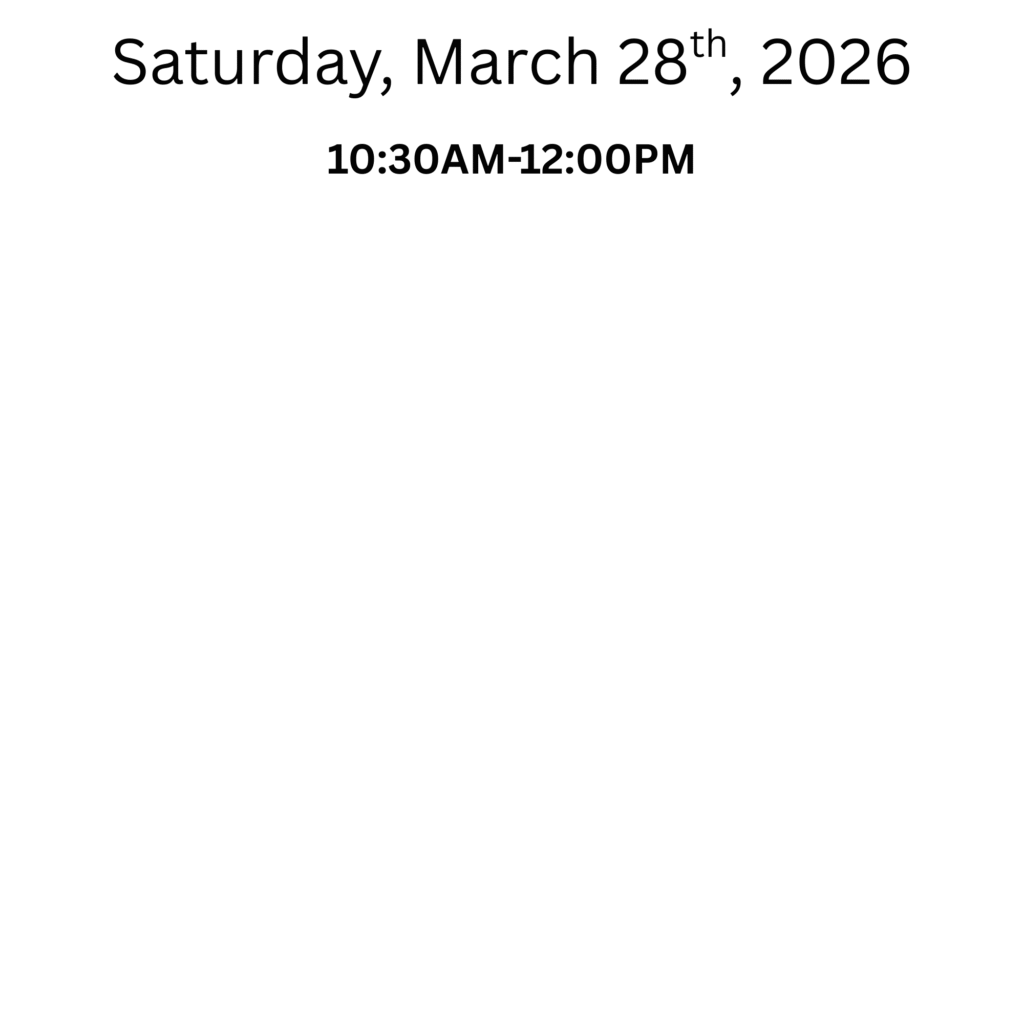
Room 1400 – Segal Centre Room Designing Technology Solutions to Support Caregivers
- Care Partner Preferences on the Design and Development of Fall Detection System for Older Adults who use Wheelchairs
- Beyond the ‘Primary User’: A Caregiver–Centered Case Study of Stretch Robot in Home Care
- User-Centered Needs Assessment for Designing and Refining the Care Partner Medication Education, Decision Support, Reminding, and Monitoring (CaP-MEDSReM) System
- Caregivers Aging with a Disability: Challenges and Opportunities for Technology Innovation
Room 1600 – Canfor Policy Room Operationalizing Wellbeing Frameworks for Ageing Societies: ISO 25554 and Care Innovation
- Utilizing D-CGA with ISO 25554 Framework for Aging in Place
- Developing Care Standards in ISO 25557 and Creating Wellbeing in Care Fields
- What is Wellbeing in ISO 25554? Principles, Governance, and Continuous Improvement
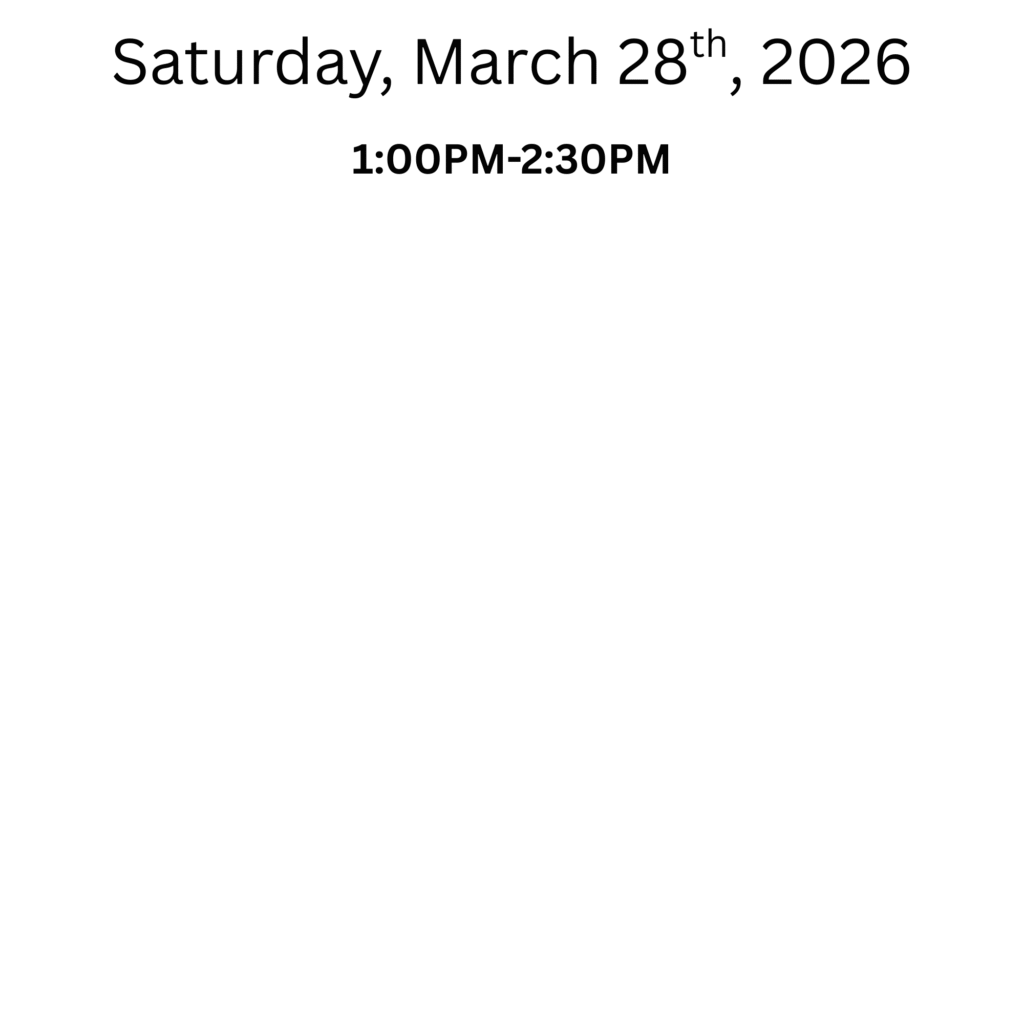
Room 1400 – Segal Centre Room Co-Designing the Future of Ageing: Human-Centered Robotics and AI for Rehabilitation and Independence
- Ghostly: Development Pathway of a User-Centered, Electromyography-Driven Exergame for Strength Training in Vulnerable Populations
- Human-Centered AI to Transform Digital Reminder Systems for Dementia Care
- Integrating Older adults and Physiotherapists’ Perspectives and Fatigue Assessment for Next-Generation Assistive Exoskeletons
- Innovation Through Robotics: Person-Centered Design to Enhance Human-Robot Interactions
Room 1600 – Canfor Policy Room Grand Master Celebration
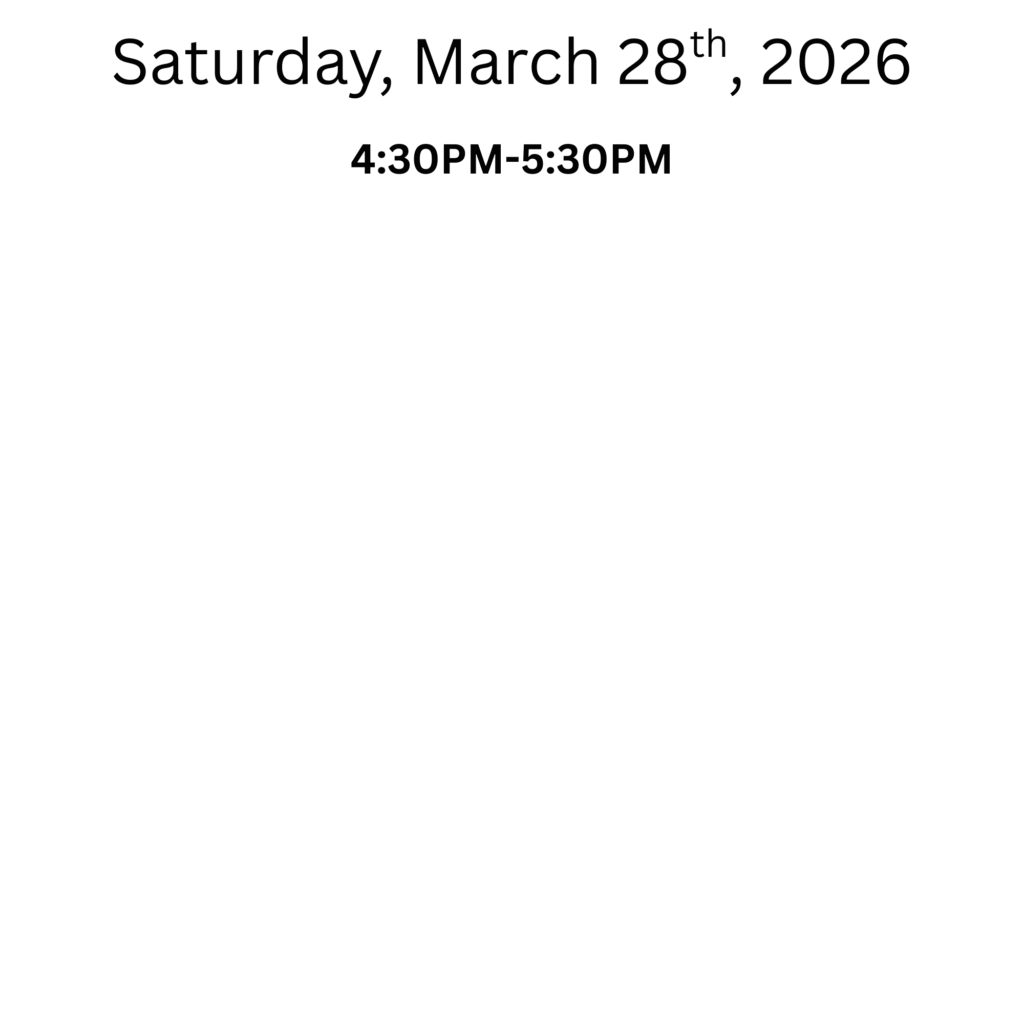
Room 1400 – Segal Centre Room Using Extended Reality for Training, Education, and Social Engagement
- A Research Agenda for Using Extended Reality to Support Older Adults with Cognitive Impairment
- Development and Evaluation of Mixed Reality Training Scenario for Surgical Technologist Trainees
- Virtual Evaluation, Real Impact: Developing a Mixed Reality-Environment for evaluation of Digital Assistive Technologies in Care of Older Adults
- Older Adults Perceptions of and Preferences for Virtual Reality Applications
Room 1600 – Canfor Policy Room Empowering Independence: Human-Centered Robotics to Support Everyday Living for Older Adults
- Robotic Rehabilitation to Retrain Functional Reach and Grasp with Everyday Objects After Stroke
- Empowering Independence: Human-Centered Robotics to Support Everyday Living for Older Adults
- Improving Robot Understandability by Bridging Human–Robot Discrepancies
- Geriatronics in the View of Robot Applications and Capabilities for Activities of Daily Living
- Showering Barriers and Interaction Preferences of Older Adults with Mobility Disabilities for a Robotic Showerhead
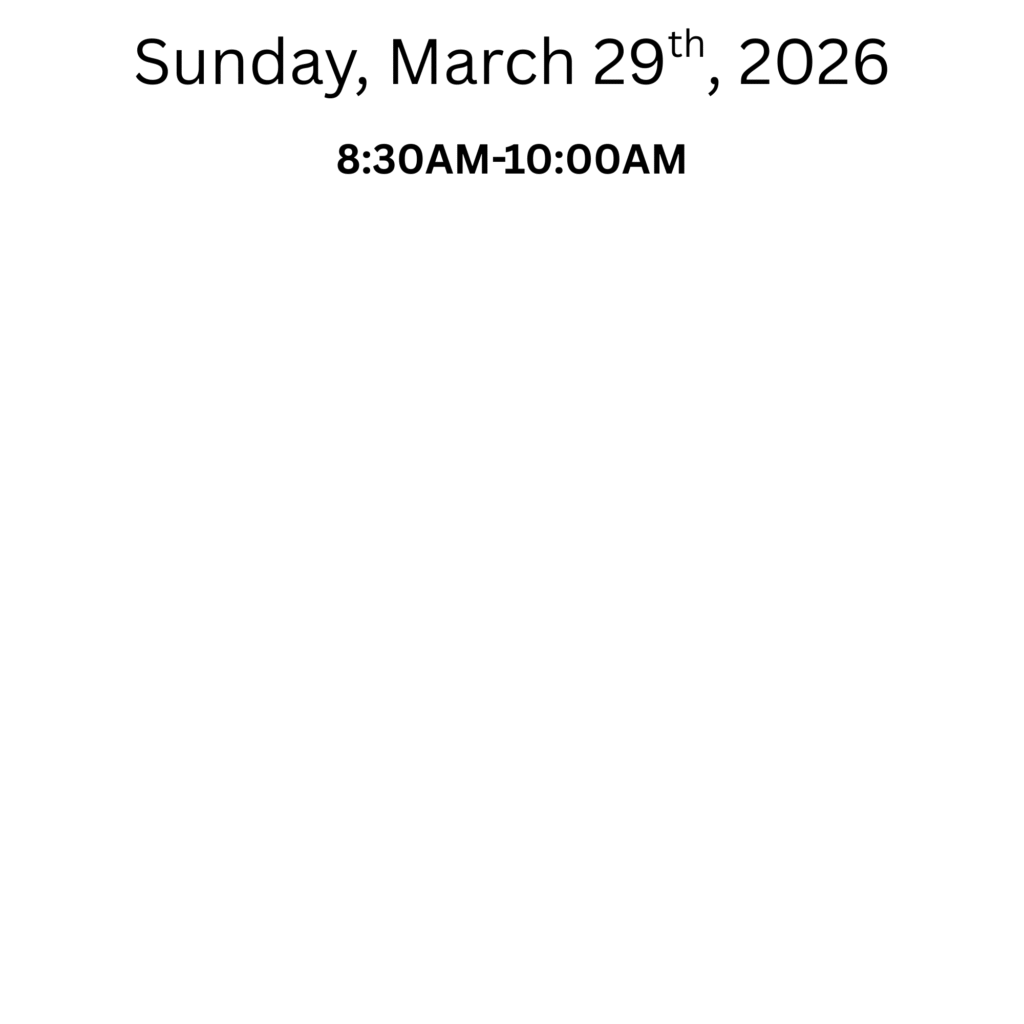
Room 1400 – Segal Centre Room Digital Divide Theory: What is Old is New Again in an era of Health Technology
- Supporting Ethical Conversations regarding Technology and the Future
- Bridging the Gap: Preparing Healthcare Professionals for a Digital Future
- The Digital Divide in Remote Indigenous and Underserved Aging Communities
Room 1600 – Canfor Policy Room The University’s Role in Taiwan’s Ministry of Education Program for Gerontechnology Talent Development
- Advancing Gerontechnology Education by Bridging Classroom and Industry at Chang Gung University: A Collaborative Ecosystem for Talent Development
- Integrating Gerontechnology into Dementia Education: A Cross-Domain Talent Cultivation Model
- Cultivating Smart Long-Term Care Talents through Cross-Disciplinary Innovation and International Collaboration
- Industry-Academia Matchmaking and Link the Unique Strengths of Each University to Support for Cross-Campus Teams